
Why Zero Trust Security Is Replacing Traditional Network Protection
Cybersecurity has changed dramatically over the past decade. Businesses no longer operate entirely within a single office using company-owned devices connected to one protected network. Employees now work remotely, cloud services store critical information, and mobile devices access business systems from many locations. These changes have challenged traditional network protection models that relied heavily on securing the network perimeter. Once a user entered the network, they often received broad access to internal resources. Zero Trust security introduces a different approach. Instead of automatically trusting users or devices after they connect, every access request must be verified continuously. Understanding why Zero Trust security is replacing traditional network protection helps explain how organizations are adapting to modern cybersecurity risks.
Challenging Traditional Trust Models
Traditional network security was built around the idea of protecting the organization’s boundary. Firewalls, virtual private networks, and perimeter defenses attempted to prevent attackers from entering the internal network. While this strategy worked well when most employees worked inside company offices, today’s technology environment is very different. Cloud applications, remote work, and personal devices have expanded the number of possible entry points. Once an attacker gains access under a traditional model, moving through internal systems may become much easier. Zero Trust challenges this assumption by removing automatic trust. Every request is treated as though it originates from an untrusted environment, regardless of where it comes from.

Verifying Every Access Request
One of the defining principles of Zero Trust is continuous verification. Access decisions are based on identity, device status, …



 Different platforms often use varying formats, leading to errors and inconsistencies when transferring information. For instance, one system may store customer data in a specific format, while another system might require it in an entirely different structure. This mismatch can result in lost data or corrupted files, further complicating your operations. To tackle this challenge, organizations need to invest time in understanding the data requirements of each platform involved. Utilizing middleware solutions can facilitate smoother transitions by acting as a bridge between incompatible systems. Additionally, establishing clear data governance policies will help ensure that everyone understands how to handle and convert data effectively.


 Before diving into the sea of streaming options, take a moment to define your content preferences. Are you a fan of original series, documentaries, or classic movies? Do you crave the adrenaline of live sports events or the latest news updates?
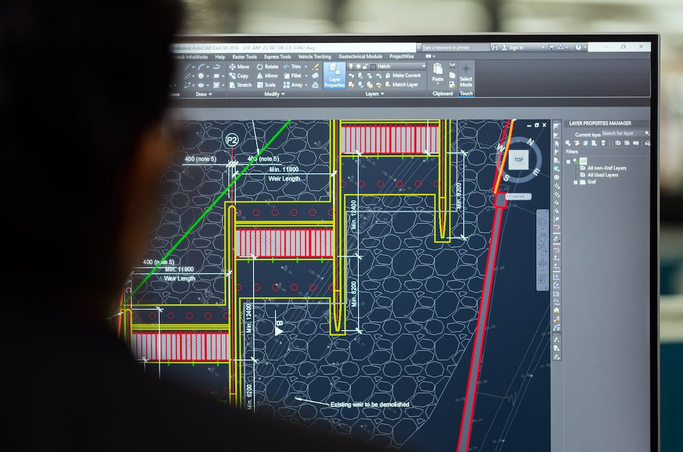



 Another impact of technology on HR is the ability to analyze employee performance better. HR professionals had to rely on paper records or spreadsheets to track employee performance in the past. However, with new tools that allow for digital tracking and analysis of employee data, HR professionals can now get a complete picture of employee performance. This information can help identify areas of improvement and change how employees are managed.



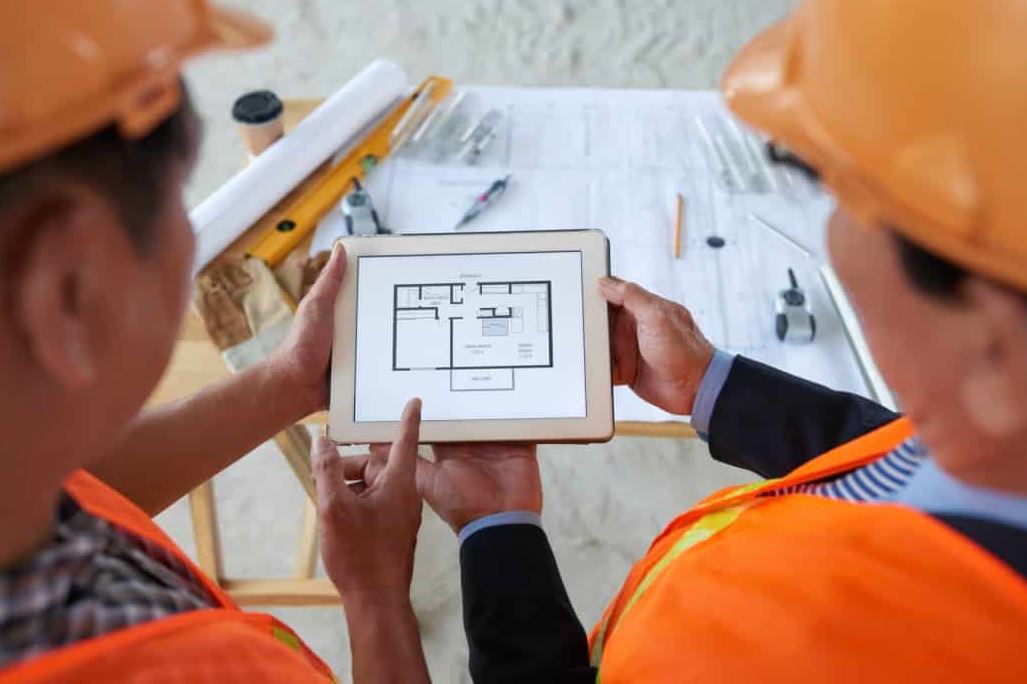
 full footage of a specific site from a different angle. Project managers can also have an overview or essential information of those who access the site and at what particular period. The various inventions have helped improved efficiency in the construction industry. The following are ways technology has enhanced construction efficiency.